
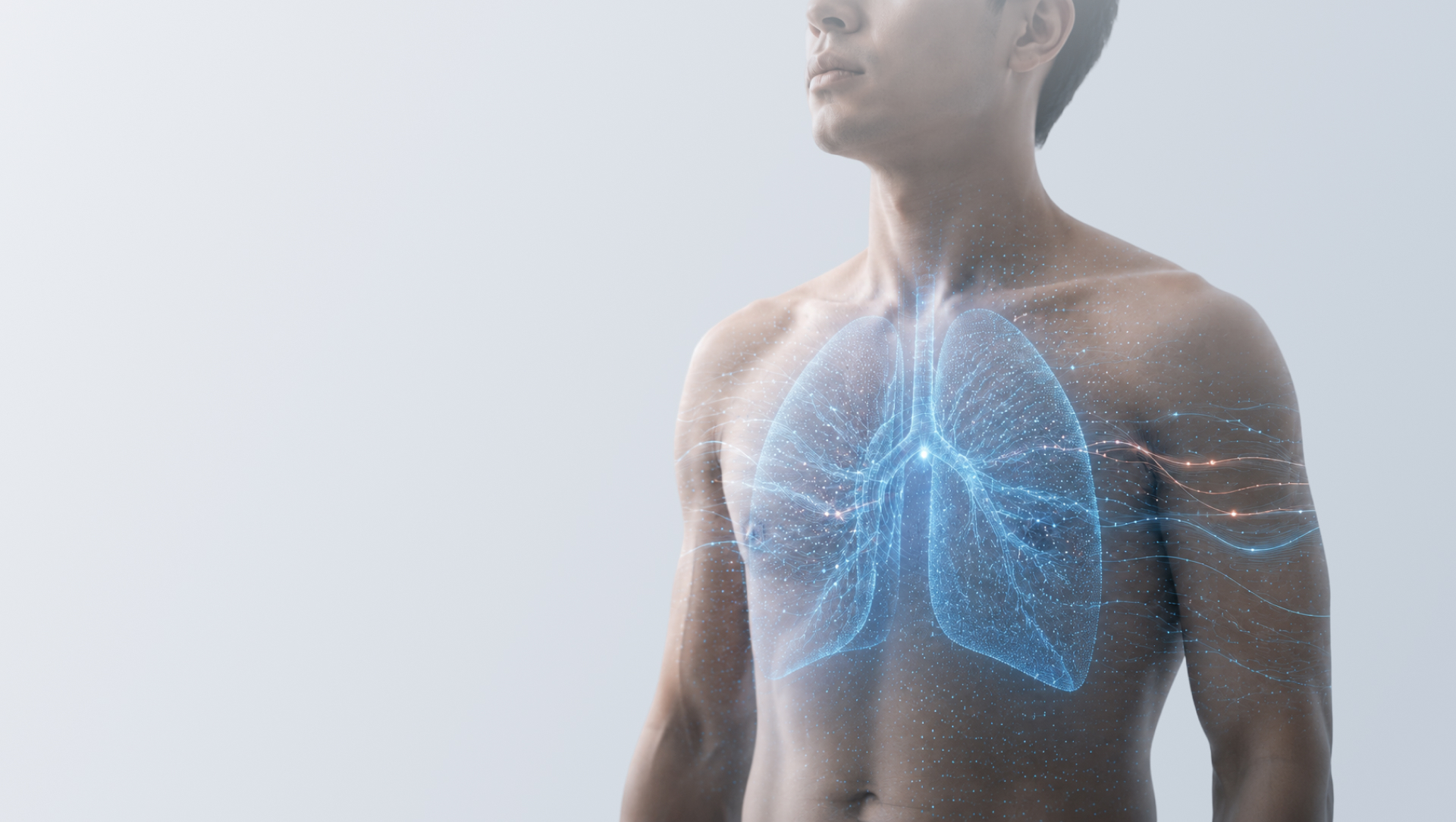
Before TB casts a shadow,
it whispers.
TBVibrome® makes the whisper measurable — passive vibroacoustic biosignatures, captured in seconds for less than $1.
A new signal class, not a cheaper version of an old one — the substrate agentic AI needs to reason where the TB care cascade breaks. Vibrome® biosignatures aren’t in any existing dataset, can’t be scraped, and can’t be replicated.
-
 No radiation
-
 Non-invasive
-
 AI-powered insights
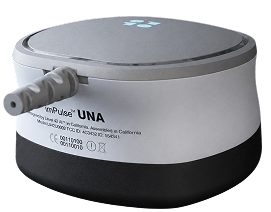 imPulse® UNA
music of the body
imPulse® UNA
music of the body

Passive capture of the signal. Tethering preserves it.
Agentic AI compounds it.
A signal class that doesn’t exist anywhere else — the substrate agentic AI reasons on to close the TB care cascade.

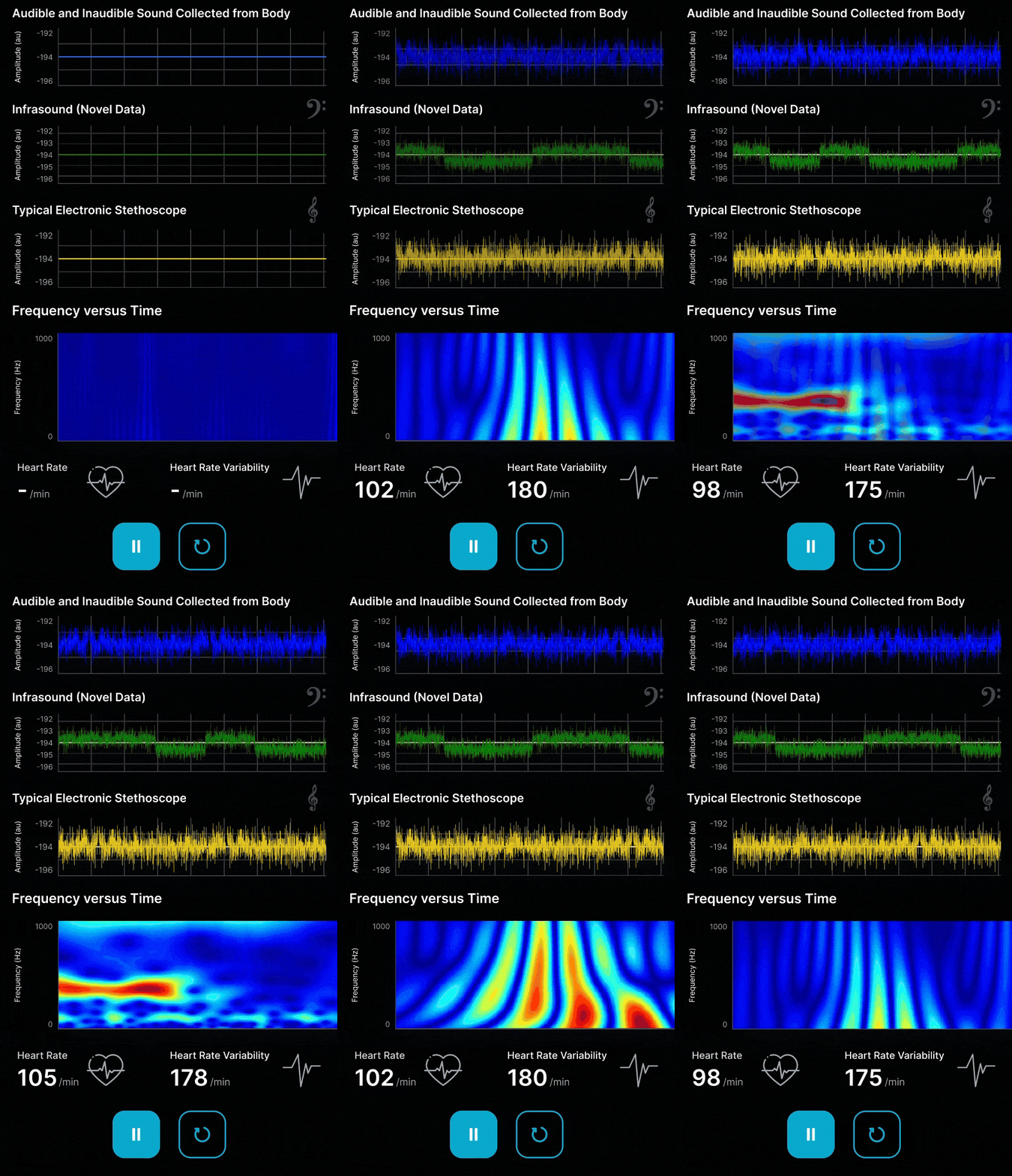
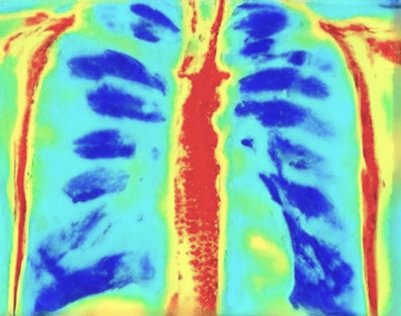
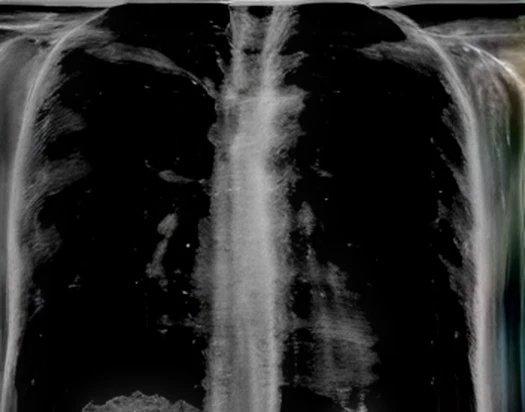

Active tuberculosis exists along a spectrum of disease severity
Disease severity varies across individuals. Early detection and precise assessment can help guide the right treatment for the right patient
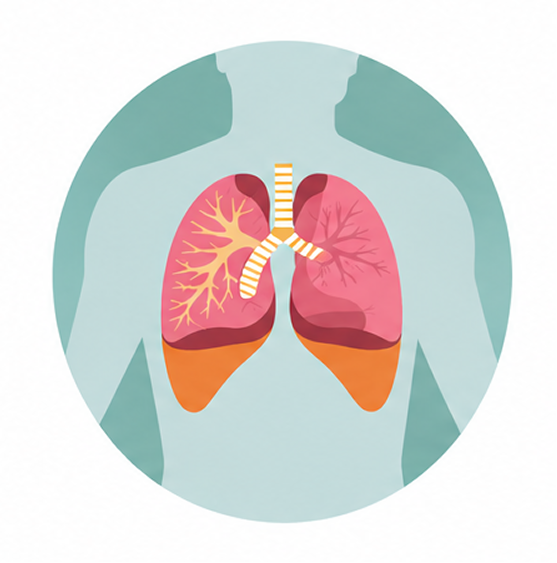
Screening
Identify individuals who may have TB earlier
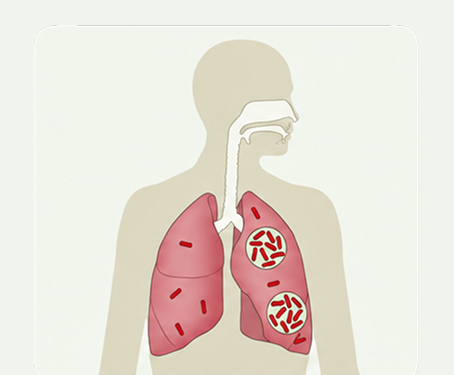
Easier-to-treat
Lower disease burden.
More responsive to standard therapy
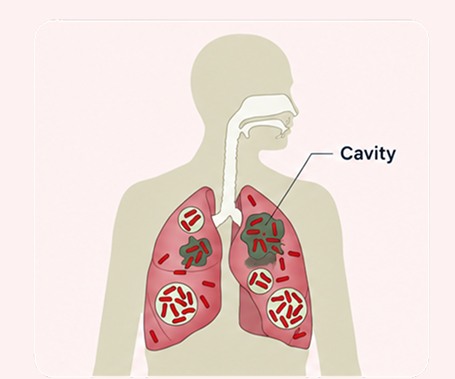
Harder-to-treat
Higher disease burden and cavities
Disease Severity Vibrome® Biosignatures
Towards
Personalized Therapy
Our AI-powered biosignatures help identify the 10–20% of patients who are at higher risk of relapse or treatment failure
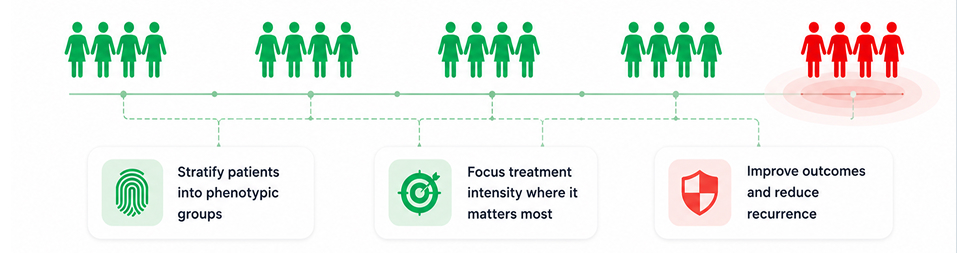
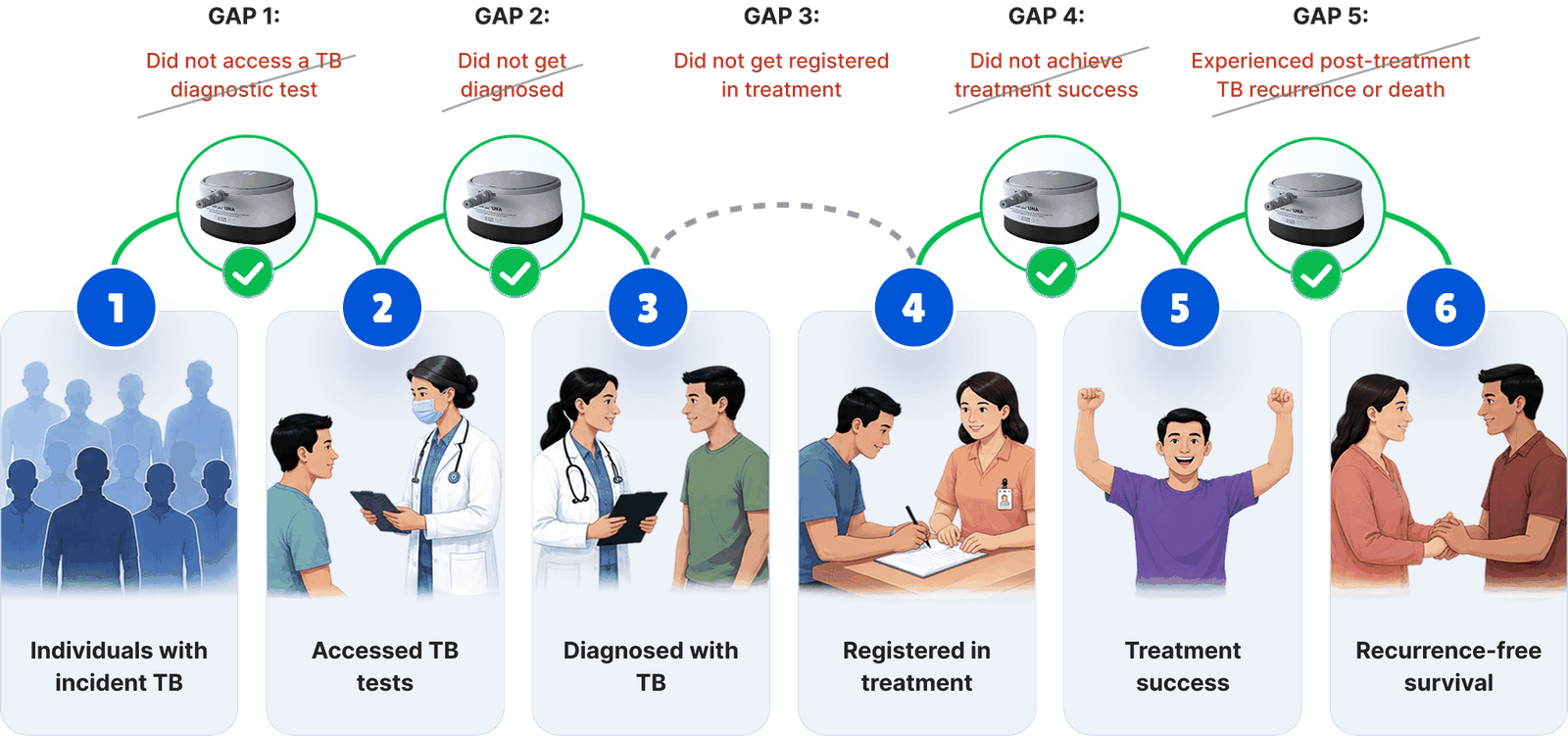
Bridging TB Care Cascade Gaps
Guided Examination
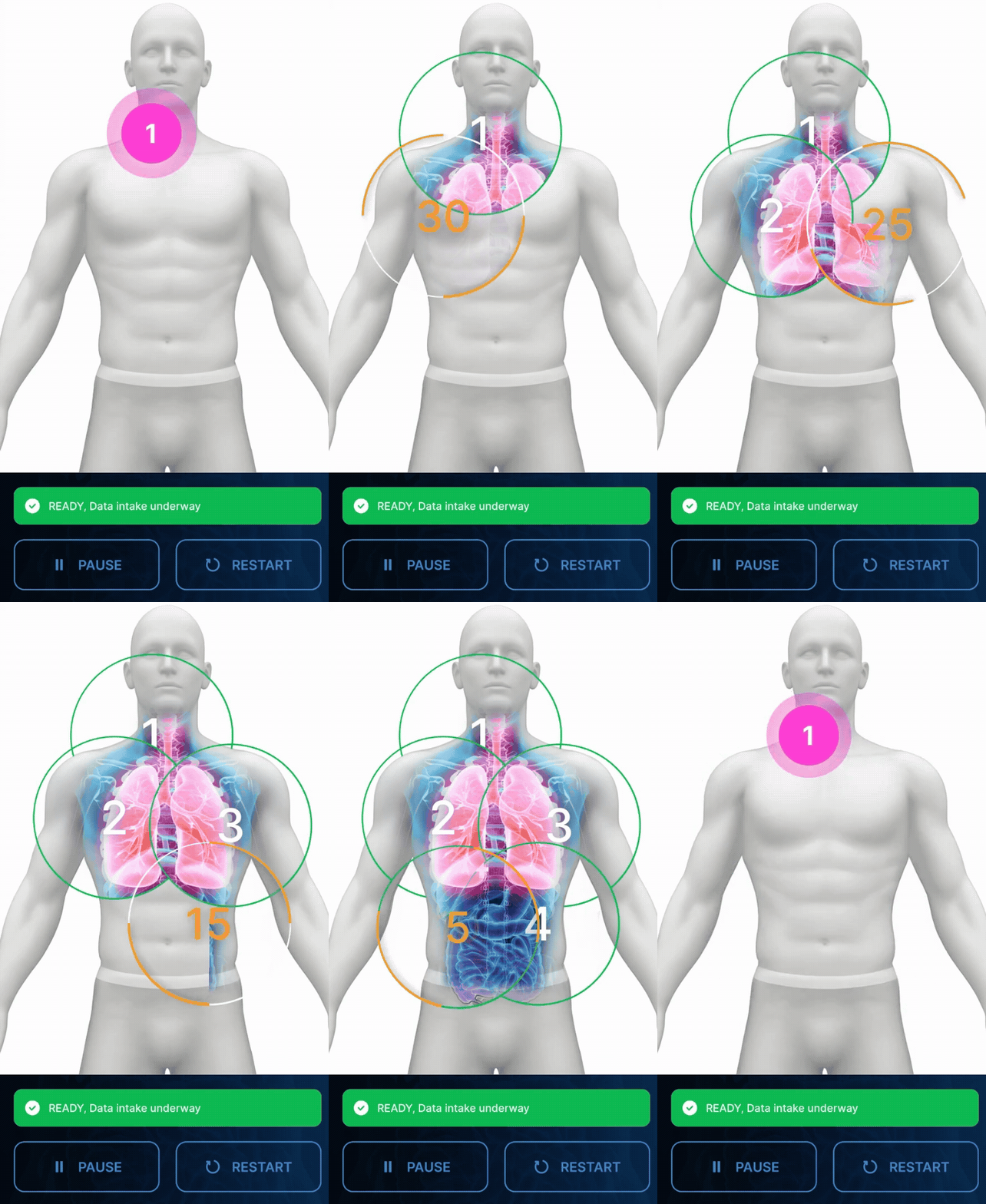
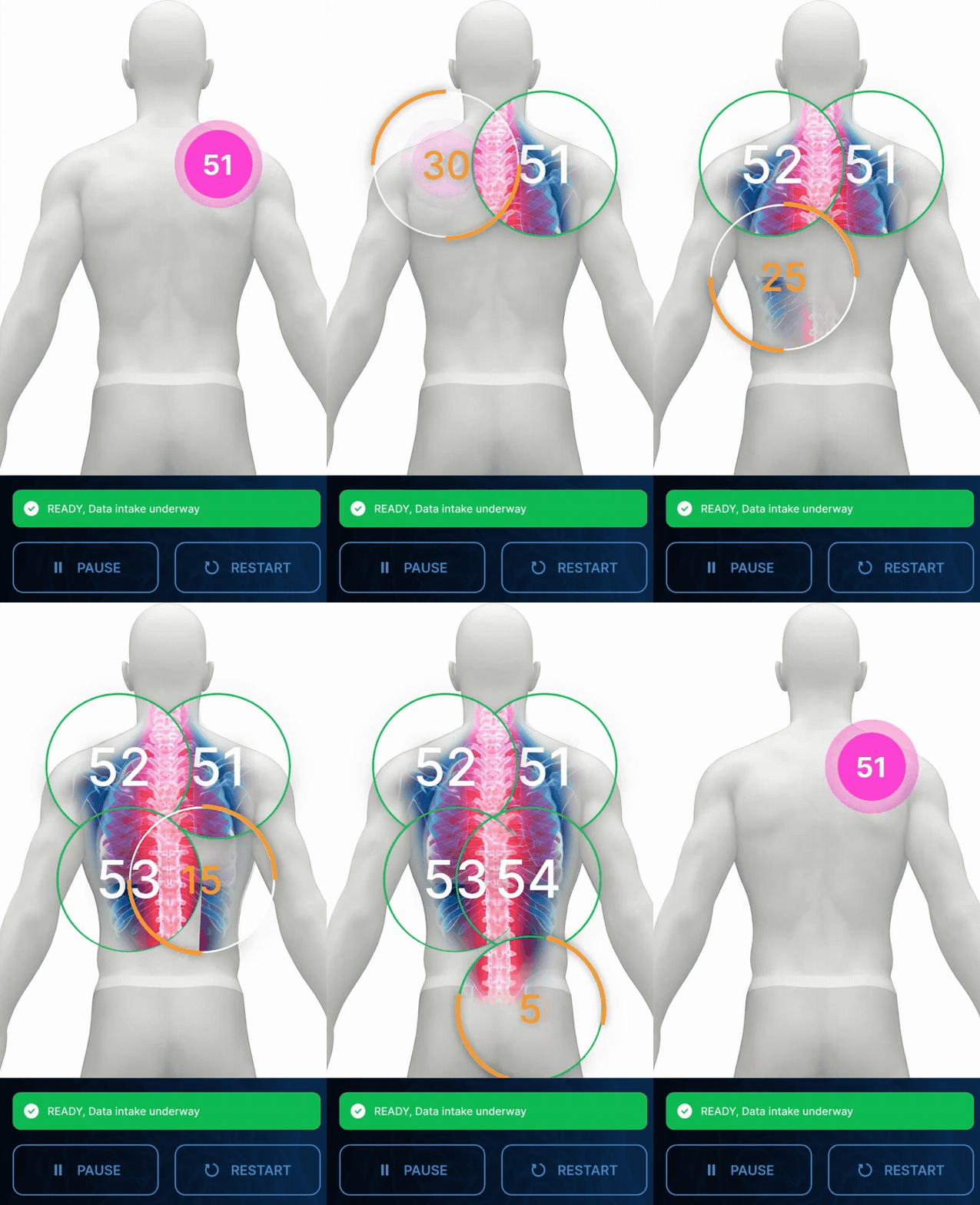
Step-by-step interactive walkthrough of the TBVibrome® examination
Loading the interactive walkthrough…
Trouble viewing the walkthrough? Open it in a new tab ↗
TB is one instrument on the staff.
Straight answers.
Is imPulse® UNA a diagnostic device?
No. It is not a diagnostic device. It collects signal for research and screening-support workflows. Diagnosis stays with the clinician and the reference standard in use at the site.
Does a scan use radiation?
No. The scan is passive and vibroacoustic — it listens to the body rather than sending ionising energy through it. There is no dose, no shielding requirement, and no limit on how often a person can be scanned.
What is a Vibrome® biosignature?
A structured pattern extracted from the audible, inaudible and infrasound content the chest produces. Models read that pattern across the scan sites to characterise disease burden and track how it changes during treatment.
Who runs the scan?
A trained health worker — no radiographer or specialist operator required. The app guides placement site by site, so a full acquisition can be completed by community-level staff after a short onboarding.
What happens to the data?
Recordings are encrypted on the device and transferred under the study agreement in force at your site. Data ownership stays with the programme; Level 42 AI® processes it only for the purposes you approve.
Why not just improve chest X-ray and AI radiology instead?
Chest X-ray needs power, shielding, a trained radiographer and a referral step — the exact points where people fall out of the TB care cascade. A passive vibroacoustic scan runs on a portable device at the point of care, so it reaches people earlier and closer to where they are.
Which TB care cascade gaps does Vibrome® target?
Primarily the early gaps: reaching people who never access a diagnostic test and those who are not diagnosed. Because a scan is quick, low-cost and repeatable, it also supports follow-up during treatment to flag cases that may need closer attention.
How is this different from smartphone cough-analysis apps?
Cough apps analyse a voluntary sound through a phone microphone. TBVibrome® captures involuntary vibroacoustic signal — including infrasound below hearing — directly from the chest wall across defined scan sites, which carries information a cough recording does not.
What are the known limitations?
TB applications are investigational and not yet a validated or regulatory-cleared diagnostic. Results support screening and research workflows alongside a reference standard; they don't replace clinical diagnosis. Performance continues to be evaluated across sites and populations.
Bring Vibrome® to your TB program.
The whisper is already there — in every clinic, every household-contact visit, and every patient, young or old. What’s missing is the instrument that can hear the inaudible, feel the imperceptible, and see the invisible — and the data layer that learns from it.
Name the gap that costs you most — detection, triage, diagnosis, severity, or response. Send us your context and constraints. You’ll get a solution-focused learning protocol, not a brochure.
